BLOG
The skills that shape great leaders are learned on a field, the hard way.
 Damon Lembi | Host of the Learn-It-All™ podcast | 3x Bestselling Author | CEO, Learnit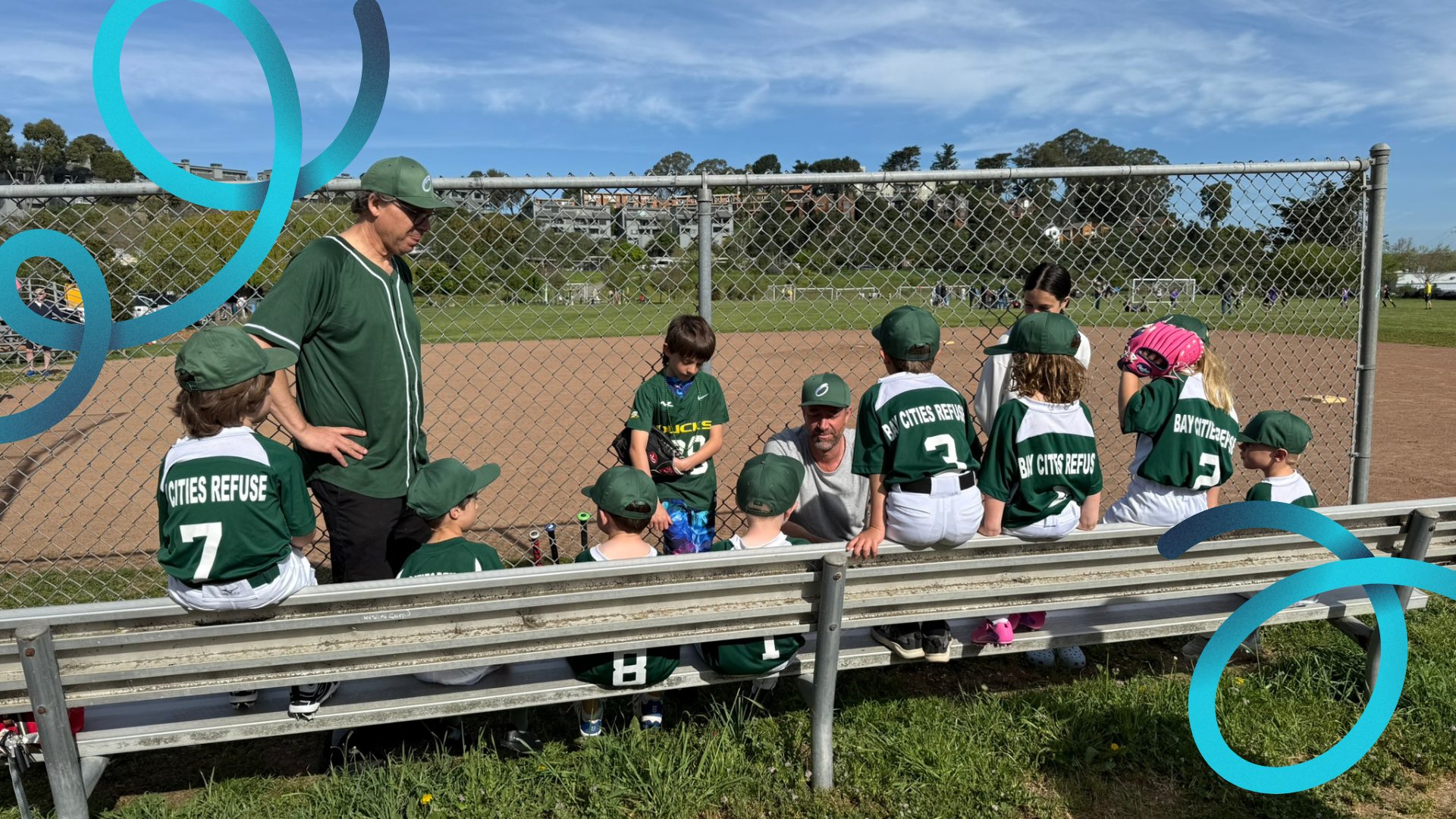
Youth sports teach discipline, accountability, teamwork, and resilience. The most important leadership skill developed through sports is learning how to respond to failure — how to be held accountable, process setbacks honestly, and compete again with renewed focus.
Failure creates the conditions for real growth. When people experience failure and receive honest, supportive feedback, they build the resilience and confidence that sustained leadership requires. Leaders who are shielded from failure miss the developmental experiences that matter most.
Acknowledge the failure directly — don't minimize or ignore it. Then separate the failure from the person's identity and reinforce your belief in their ability to recover. This balance creates psychological safety and drives improved performance.
Sports build confidence by creating repeated cycles of preparation, performance, failure, and recovery. Each cycle, when processed honestly, builds the belief that you can handle what comes next. That belief is the foundation of leadership confidence.
Little League teaches kids to show up consistently, compete with effort, function as part of a team, and handle adversity with accountability. These experiences, especially the failures, build the character and confidence that translate directly into leadership performance later in life.
Youth sports teach leadership skills that no business school can replicate. The most important of these is learning how to fail, recover, and build confidence through real experience. Leaders who develop this capacity early outperform those who don't — not because they fail less, but because they respond better.
I was probably eight years old the first time my dad showed me how to break in a baseball glove.
We'd go to the local sporting goods store, and I'd spend what felt like hours going through every glove on the wall until I found the right one. Then we'd get home, lay out a towel in the driveway, and he'd pull out a small bottle of glove oil. He'd show me how to work it into the leather, how to tie the glove up just right, and then he'd tell me to sleep with it under my mattress overnight.
I'm not sure how much the mattress actually helped the leather. But I know it did something for me.
It taught me that the right preparation matters. That you take care of your tools. That something worth having is worth working for before you ever set foot on the field.
Those Opening Day butterflies are unforgettable. The whole team marches out together, parents wave from the bleachers, the season stretched out ahead. I felt that same feeling all the way through my last game at Arizona State. It never got old.
And the lessons never left me.
There is a reason so many leaders you admire played team sports growing up. It is not a coincidence.
Sports teach you how to show up on time and compete. They teach you discipline. They teach you how to function as part of a team, how to subordinate your ego for a shared goal. These are skills that transfer directly into leading organizations and people.
But the one skill that gets overlooked — the one that's hardest for parents and coaches to sit with — is the most important one of all. How to fail.
I was nine or ten years old when I tried out for the CYSO soccer team. I wasn't even that into soccer but I wanted to play because all my friends were. I figured I was a decent athlete. No problem.
I didn't make the team.
And here's the moment that stayed with me for the rest of my life: my dad didn't make an excuse. He didn't say the coach had it out for me, or that politics were at play, or that I'd been treated unfairly. Instead, he looked at me and asked one simple question.
"Did you give it your best?"
I didn't have a good answer. And he already knew that.
He said, "If it was that important to you, you needed to go out there and give everything you had. And I know you didn't."
That stung. But it was the right thing to say.
There's a tendency to bubble wrap the people we care about. To smooth things over, to make excuses, to protect them from the sting of falling short. It comes from a good place. But it robs them of something essential.
Every failure, handled honestly, is a leadership development moment. Take that away and you take away the lesson.
Parents, coaches, managers — let them fail. Then have the honest conversation.
Fast forward a decade. I'm playing for Arizona State, and we're up against the University of Michigan. I go to the plate four times that day.
I strike out all four times. We lose the game.
I won't pretend that felt like a learning opportunity in the moment. It felt awful. And I went home that night carrying it the way athletes do — replaying every at-bat, every pitch, every missed swing.
The next morning, before the second game against the same team, my coach pulled me aside.
He said, "Lembi, you're only as good as your last four at-bats."
Then he smiled, let that land for a second, and said: "In all seriousness, don't worry about yesterday. Put it in the past. We wouldn't be here today without the contributions you've made to this team."
That was it. Just a little honesty, a little humor to cut the tension, and then a clear and genuine expression of belief in me.
I went out that day and drove in the go-ahead run in the bottom of the eighth. We won.
What my coach did in that moment is something I've thought about across thirty years of leading business teams. He didn't let me off the hook — he acknowledged the failure directly. But he refused to let me define myself by it. He gave me just enough psychological footing to go back out and compete.
Great leaders do this consistently. They separate the failure from the person — holding both accountable and believed in the same conversation.
Failure is not the end result — it is part of the process. Leaders who are never allowed to fail never build the resilience required to perform under pressure. The goal is not to eliminate failure. The goal is to make it productive.
Great leaders don't ignore failure, but they don't let it define people either. When you acknowledge failure directly while simultaneously reinforcing belief in the person, you create the psychological safety that drives learning, risk-taking, and sustained performance. My coach figured that out long before it was published in any journal.
Confidence is not taught. It is earned — rep by rep, failure by failure, recovery by recovery. You can't shortcut it. You can't give it to someone as a gift. It has to be built through experience, and that experience starts early.
I've had the fortune of leading business teams for thirty years and working with thousands of leaders in that time. And when I look back honestly at what gave me the foundation to do that, it wasn't an MBA course or a management book.
It was the Little League field. It was the CYSO soccer tryout I failed. It was a college coach who knew exactly what to say the morning after my worst game.
Character is who you are when things get hard. Confidence is the belief that you can get back up after they do. One feeds the other, but confidence has to be earned through experience. Season by season. Failure by failure.
That's what Little League is really about. Showing up, giving your best, being a good teammate, and learning what it feels like to fall short and come back anyway.
As I put on my hat for my son's Little League game today, I carry one clear intention: when his moment of failure comes — and it will — I want to respond the way my dad did. With honesty, not protection. With accountability, not excuses. With belief in who he can become, not just comfort for how he feels right now.
One day he won't remember the score.
But he'll remember what I did when he fell short.
What leadership skills do youth sports teach?
Youth sports teach discipline, accountability, teamwork, and resilience. The most important leadership skill developed through sports is learning how to respond to failure — how to be held accountable, process setbacks honestly, and compete again with renewed focus.
Why is failure important in leadership development?
Failure creates the conditions for real growth. When people experience failure and receive honest, supportive feedback, they build the resilience and confidence that sustained leadership requires. Leaders who are shielded from failure miss the developmental experiences that matter most.
How should a leader respond when someone on their team fails?
Acknowledge the failure directly — don't minimize or ignore it. Then separate the failure from the person's identity and reinforce your belief in their ability to recover. This balance creates psychological safety and drives improved performance.
How do sports build confidence in future leaders?
Sports build confidence by creating repeated cycles of preparation, performance, failure, and recovery. Each cycle, when processed honestly, builds the belief that you can handle what comes next. That belief is the foundation of leadership confidence.
What does Little League teach kids about leadership?
Little League teaches kids to show up consistently, compete with effort, function as part of a team, and handle adversity with accountability. These experiences, especially the failures, build the character and confidence that translate directly into leadership performance later in life.

Want our articles in your inbox? Sign up for our blog newsletter to never miss out!